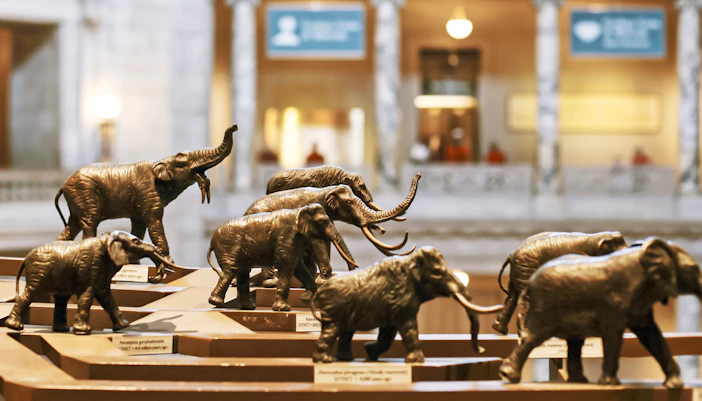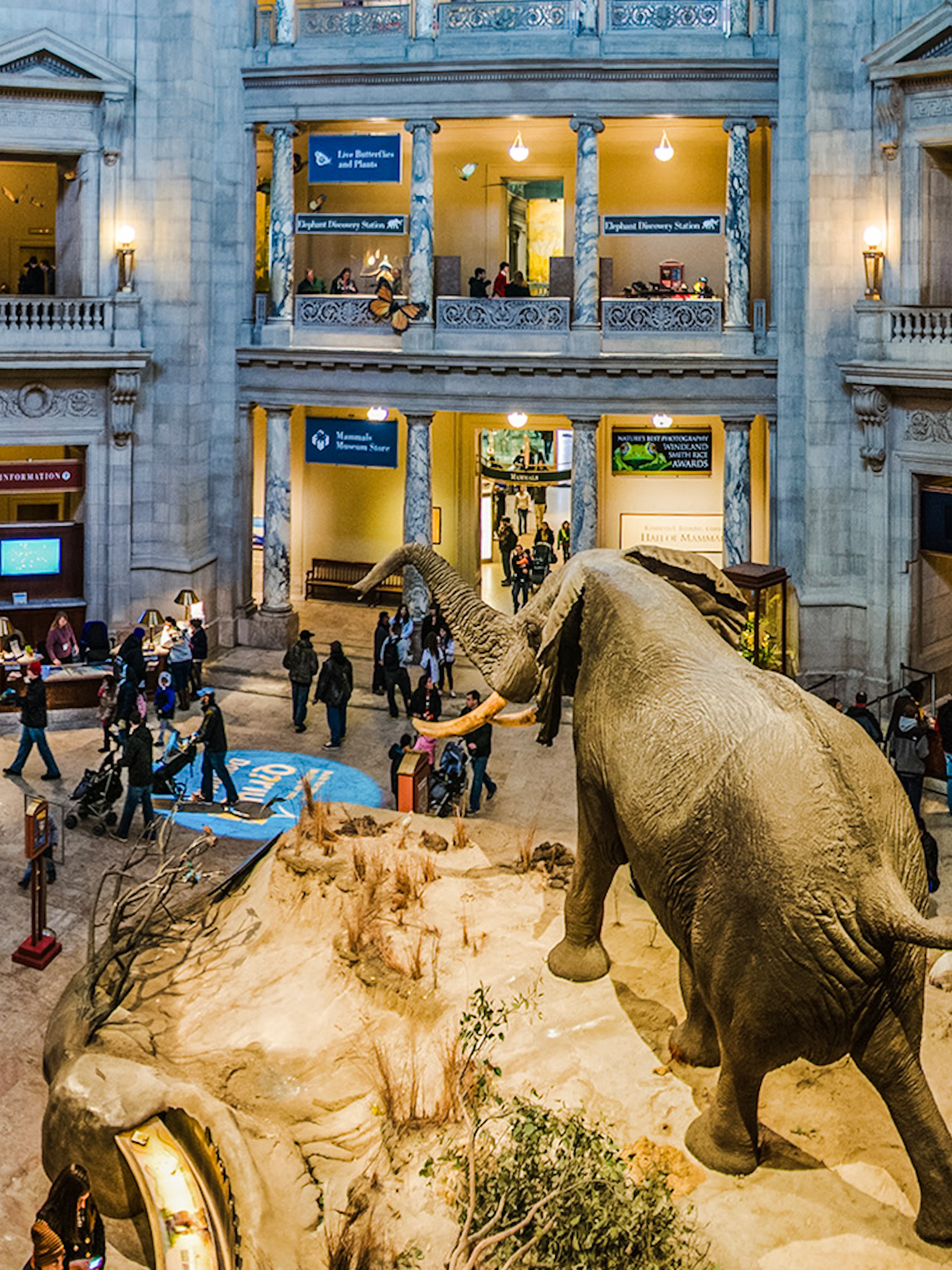


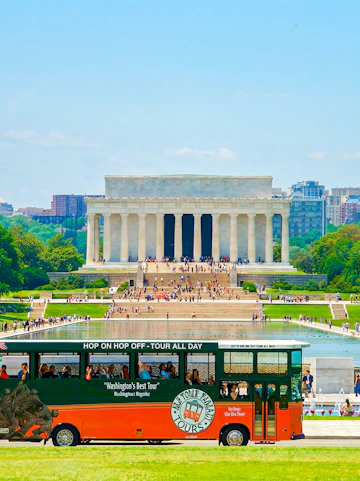
Explore everything from dinosaur fossils to rare gemstones and immersive ecosystem displays. Your guide will explain how paleontology, geology, and biodiversity research shape what you see in the galleries. Gain insight into how specimens are collected, preserved, and studied behind the scenes. Ideal for visitors who are curious about the Earth’s past, natural processes, and ongoing scientific discovery.
How Headout makes choosing experiences effortless
We curate the best ways to experience
We research and organise all unique experiences - from tickets to tours to special combos - so you get all the choices without the clutter.
We partner with the best
Every supplier is vetted for quality, reliability, and value so you only get top rated experiences. No surprises, no disappointments.
All the best options, in one place
Each experience is thoughtfully organised to give you maximum availability, great value and an easy way to choose.
Book with complete peace of mind
Free cancellations, Flexible payments, and 24/7 support - thoughtfully designed for flexibility, assurance, and total peace of mind.
Slide 1 of 41/4


Explore the Smithsonian Museums

Smithsonian National Museum of Natural History
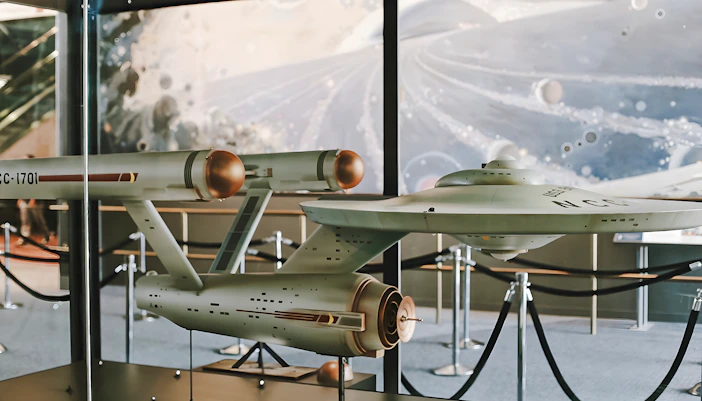
Smithsonian’s National Air and Space Museum

Learn more about the milestones of aviation and space exploration, from early powered flight to missions beyond Earth. Examine historic aircraft and spacecraft while learning about the engineering challenges and global competition that drove innovation. Ideal for visitors who are interested in technology, innovation, and the story of human flight.

Smithsonian National Museum of American History
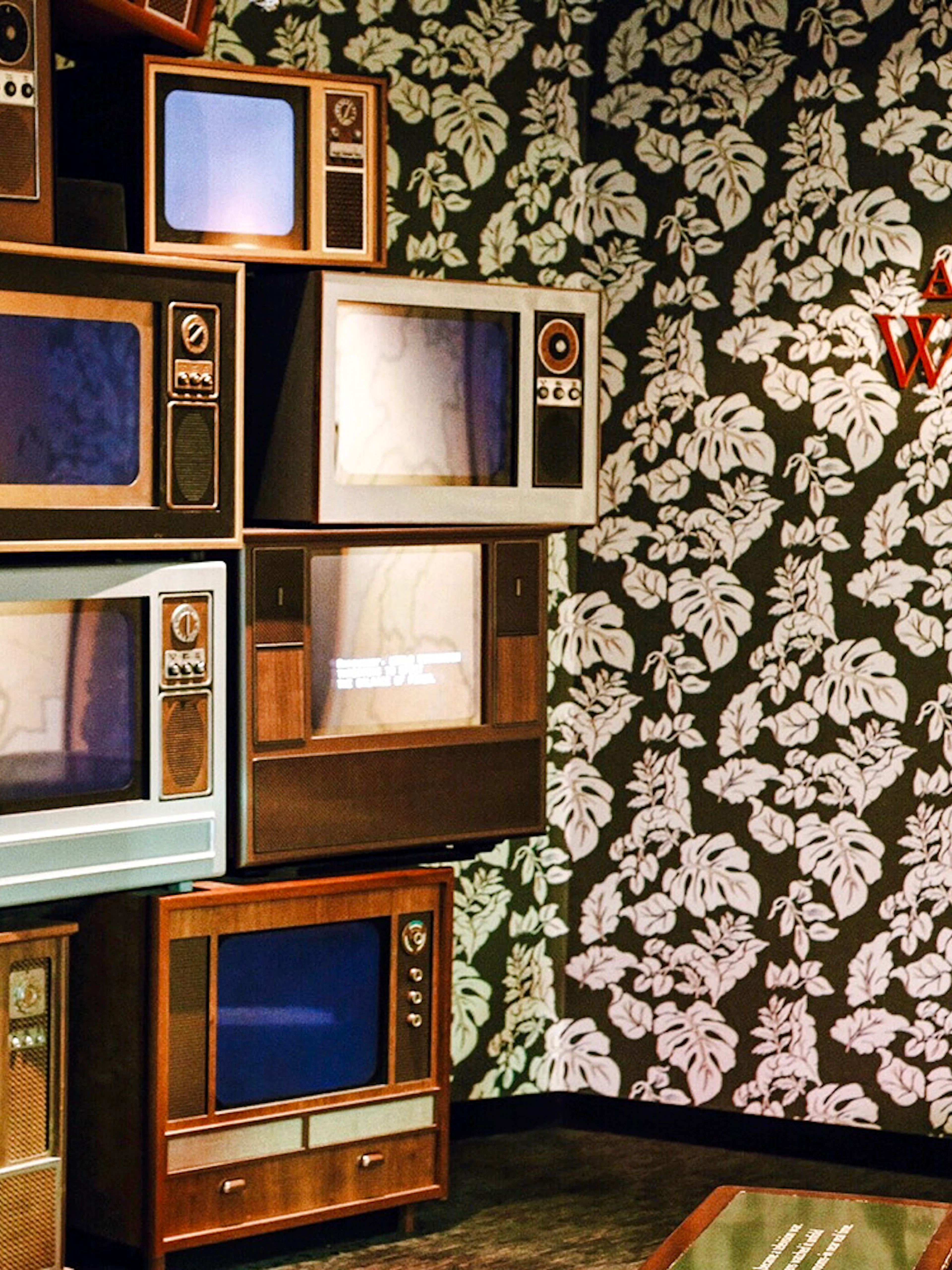
Trace the evolution of the United States through political, cultural, and social turning points. View iconic national artifacts as well as objects from everyday American life and connect these pieces to broader themes such as democracy, civil rights, entrepreneurship, and pop culture. It’s a comprehensive way to understand how the nation’s identity has developed over time.
How to visit the Smithsonian Museums
- Ways to explore: Small-group guided tours with timed-entry tickets available for all three museums
- Additional access: Private tour upgrade available, with personalized attention, and it is the only tour option with wheelchair access
- Good to know: The guided tours last 2.5 hours; admission is only to the selected museum and its exhibits, not to the other museums in the Smithsonian Institution complex. Minimum group size is 2, maximum is 8; the tour will be cancelled/rescheduled if it does not meet the group size requirements
Learn more about booking your Smithsonian Museum tours below ↓
Compare your tour options
| Museum tour | Inclusions | Duration | Location | Highlights | Why choose this | Upgrades | Tickets |
|---|---|---|---|---|---|---|---|
Smithsonian National Museum of Natural History | Timed-entry admission, guided tour, access to permanent exhibits | 2.5 hrs | 10th St. & Constitution Ave., National Mall | Hope Diamond, Hall of Fossils, Hall of Mammals | Educational, kid-friendly exploration of the museum’s vast and diverse collection of curated exhibits and artifacts | Private tour with wheelchair accessibility | From $95 |
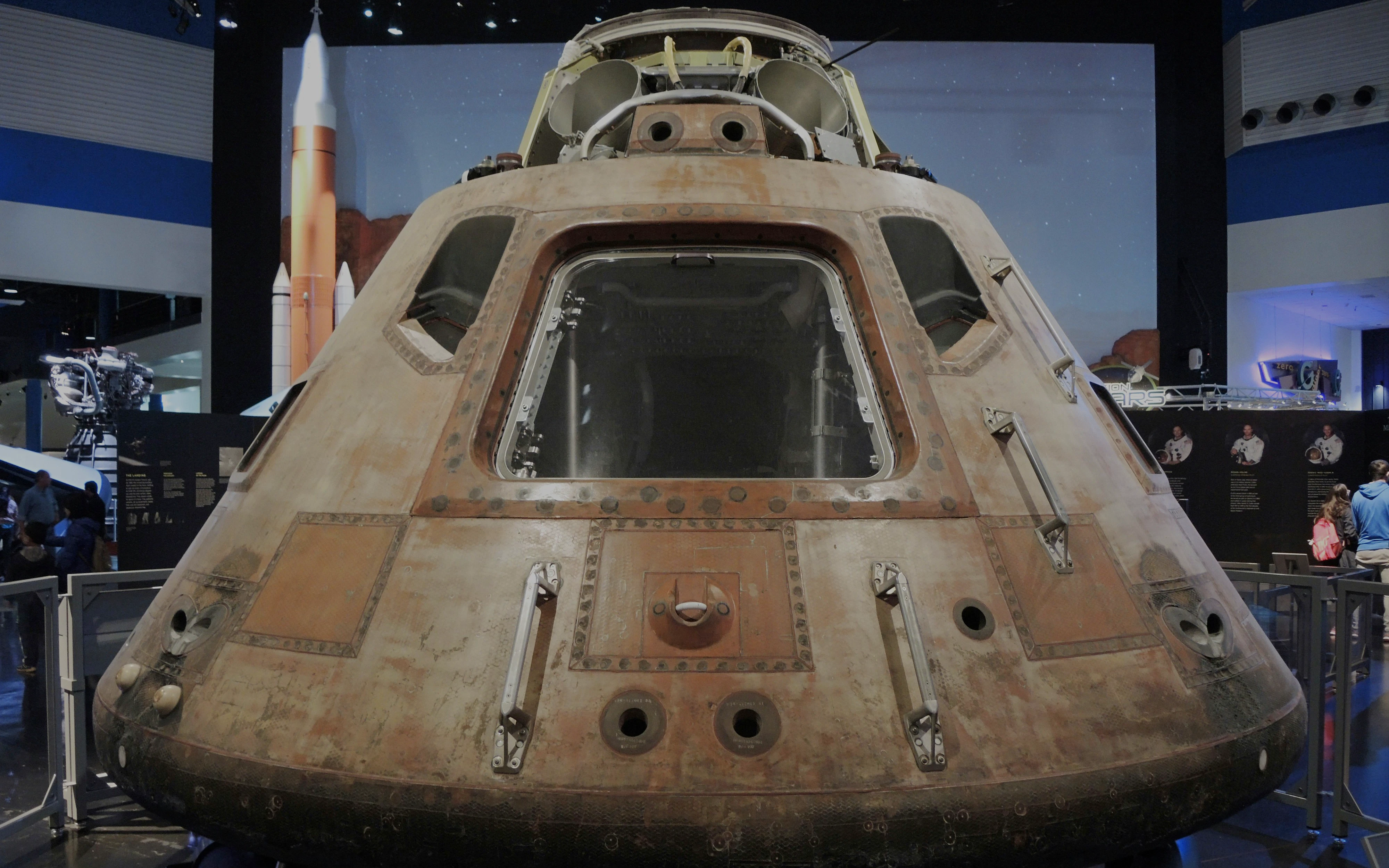
Smithsonian’s National Air and Space Museum | Timed-entry admission, guided tour, access to permanent exhibits | 2.5 hrs | 650 Jefferson Dr., National Mall | Buzz Aldrin’s spacesuit, Wright Brothers exhibits, moon landing exhibits, historic aircrafts | Deeper context of important moments in aviation and space history with valuable insights | Private tour with wheelchair accessibility | From $174 |
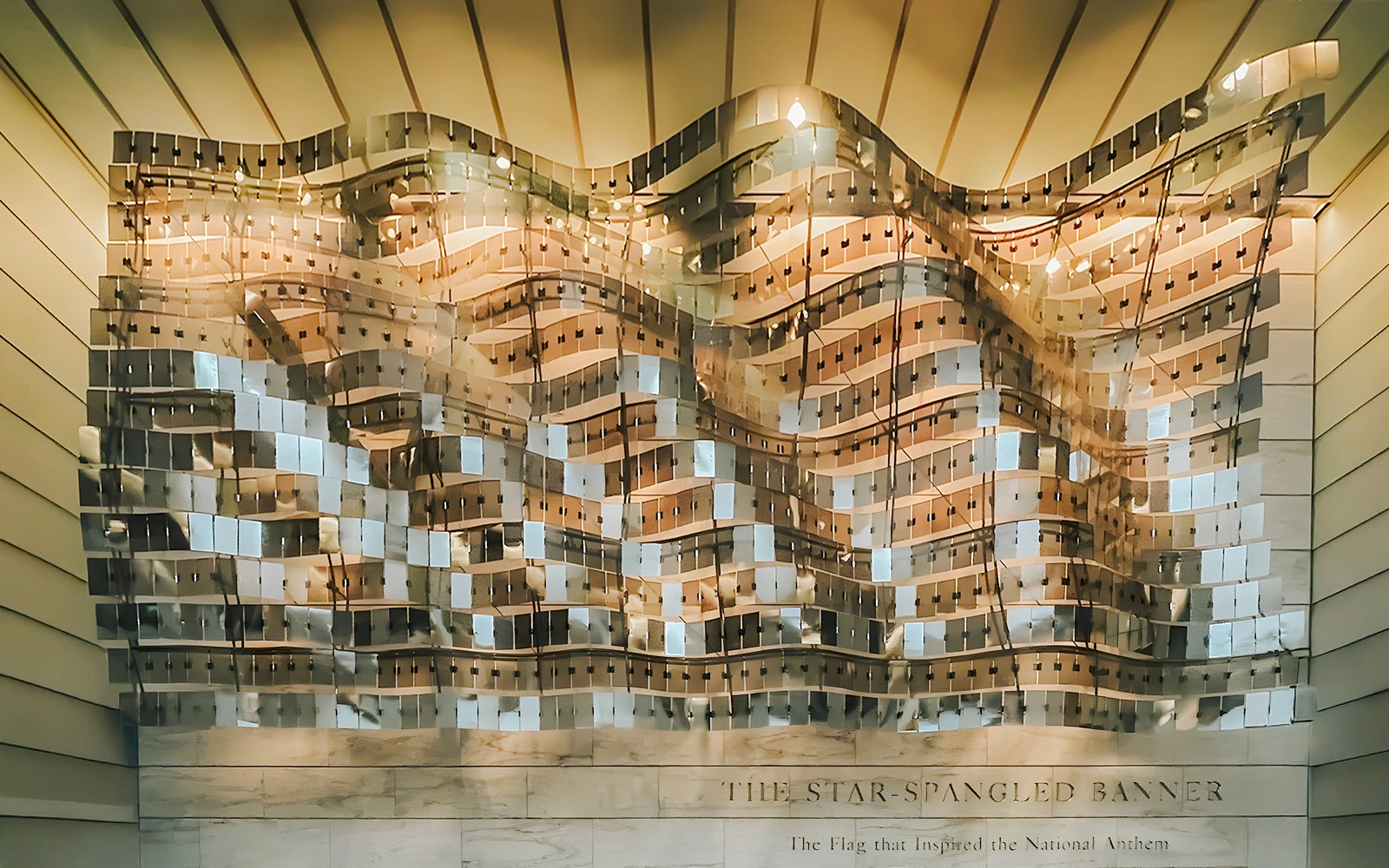
Smithsonian National Museum of American History | Timed-entry admission, guided tour, access to permanent exhibits | 2.5 hrs | 1300 Constitution Ave., National Mall | Abraham Lincoln's top hat, the original Star-Spangled Banner, George Washington’s sword, military history exhibits | An efficient way to explore the vast collection of over 3 million artifacts with a small-group experience | Private tour with wheelchair accessibility | From $95 |
What to expect on your Smithsonian Museum tours
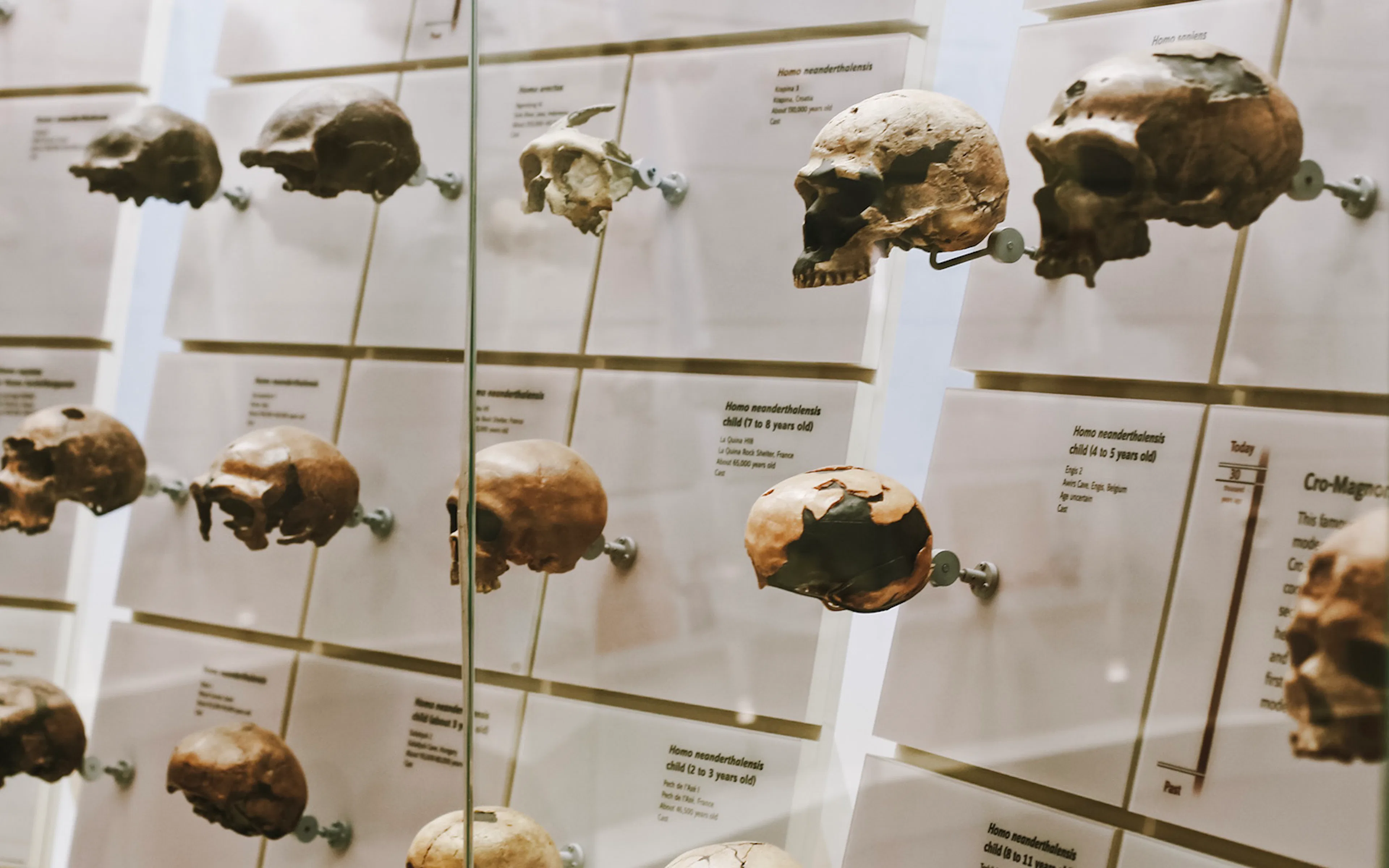
Gain a deeper context of the artifacts and the exhibits
Your guide connects individual objects to major historical events, scientific discoveries, and cultural shifts, depending on the museum you visit. Hear the stories behind the exhibits, including how items were discovered, preserved, and interpreted.
Navigate vast collections with ease
Smithsonian Museums are extensive, and planning your route independently can be time-consuming. With a guided tour, you’ll follow a structured path that prioritizes the most important exhibits without backtracking or guesswork. Your guide ensures you spend time where it matters most while keeping the pace comfortable.
Interactive, small-group exploration
Tours are designed to encourage discussion and questions rather than passive listening. In a smaller group setting, you’ll have better visibility, easier movement through galleries, and more opportunities to engage. This way, you can have a more focused and immersive museum experience.
Private tours with a personalized focus
For a more customized visit, you can upgrade to private tours, which allow you to shape the itinerary around your priorities. Routes can also be planned to accommodate accessibility needs, including wheelchair-friendly navigation. It’s a flexible option for families, educational groups, and special-interest visitors.
Explore the best of natural history, air and space, or American history
You can choose a guided tour at the National Museum of Natural History, the National Air and Space Museum, or the National Museum of American History; each offering a distinct perspective on discovery and innovation. The choice of tours allows you to select the subject matter that aligns best with your interests while still experiencing the most significant highlights each museum has to offer.
Things to know before booking your Smithsonian Museum tours
- Museum options: Choose between 3 museums for your guided tours.
- Smithsonian National Museum of Natural History: Focuses on natural sciences , human evolution, gems and minerals, fossils, marine life, and biodiversity.
- Smithsonian’s National Air and Space Museum: Focuses on aviation history and milestones, US accomplishments, Space Race, and artifacts.
- Smithsonian National Museum of American History: Focuses on American history , the Civil Rights Movement, the Founding Fathers, and cultural and historic artifacts from the last 250 years.
- Smithsonian National Museum of Natural History: Focuses on natural sciences , human evolution, gems and minerals, fossils, marine life, and biodiversity.
- When to book: Guided tour slots can fill up quickly, so booking 4-6 weeks in advance is recommended, especially during the summer months and the holiday season.
- Entrances: The three museums are located a short distance from each other (10-minute walk), all within the National Mall district, close to other DC landmarks such as the Washington Monument and the US Capitol.
- Inclusions: Your museum tours include timed-entry admission to the selected museum.
- They do not include admission to the other museums part of the Smithsonian Institution.
- They are small-group guided tours, with a minimum group size of 2 and a maximum group size of 8.
- The tour duration is 2.5 hours.
- They do not include admission to the other museums part of the Smithsonian Institution.
- Ways to explore: Small-group guided tours and private guided tours.
- Small-group: Highlights tour, professional guide, maximum group size is 8.
- Private: Personalized tour, professional guide, wheelchair-accessible tours available.
- Small-group: Highlights tour, professional guide, maximum group size is 8.
- Keep in mind: Your tickets only include access to the museum’s permanent exhibitions and galleries. Temporary exhibitions are not included in your tour.
Highlights of your Smithsonian Museum visit
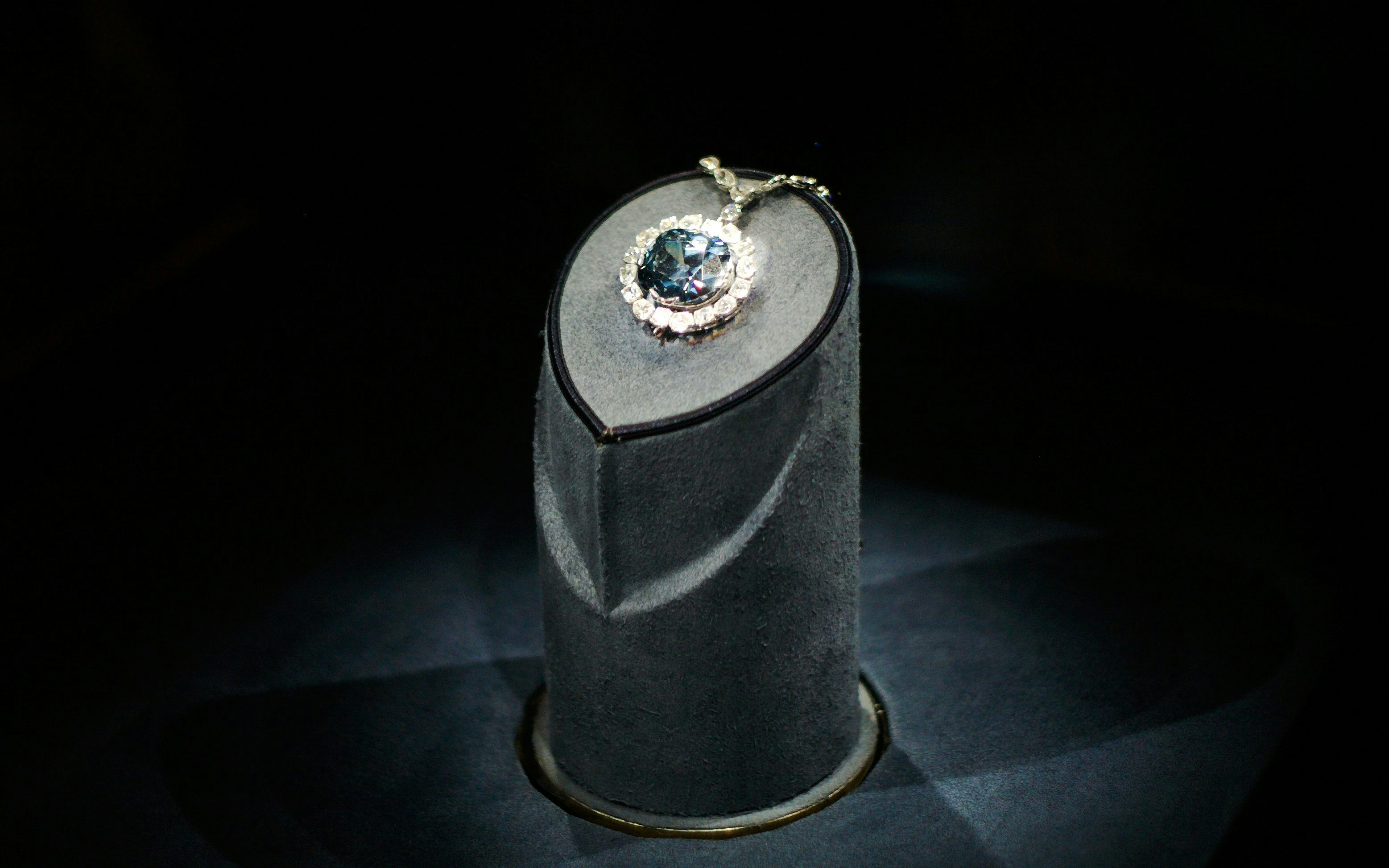
Hope Diamond (Smithsonian National Museum of Natural History)

Housed in the Hall of Geology, Gems, and Minerals on the second floor, this world-famous 45.52-carat blue diamond is one of the museum’s most visited objects. The exhibit explains its geological formation, global journey, and the legends that surround it.


Plan your visit

- Smithsonian National Museum of Natural History: 10am to 5:30pm, daily
- Smithsonian’s National Air and Space Museum: 10am to 5:30pm, daily
- Smithsonian National Museum of American History: 10am to 5:30pm, daily
Closed on: Christmas Day, December 25

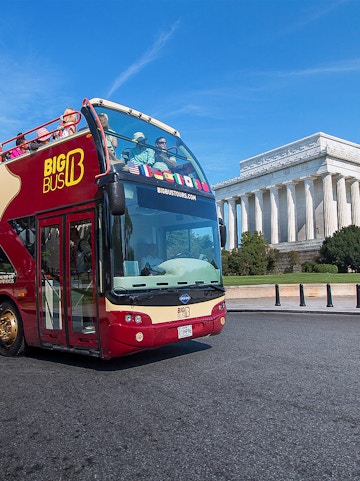
The National Mall district is easily accessible by public transportation. Driving is not recommended, as the area can get crowded and parking can be difficult to find.
- By Subway:
- By bus:
Address
- National Museum of Natural History: 10th St. & Constitution Ave. NW, Washington, DC 20560, United States | Find on Maps
- National Air and Space Museum: 650 Jefferson Dr SW, Washington, DC 20004, United States | Find on Maps
- National Museum of American History: 1300 Constitution Ave. NW, Washington, DC 20560, United States | Find on Maps

- First aid: Basic first aid assistance is available on-site, and staff can direct you to medical support if needed.
- Wi-Fi: Complimentary Wi-Fi is available throughout the museums to help you access digital guides and stay connected.
- Dining options: Cafés and food courts are available within or near the museums, offering quick meals, snacks, and beverages during your visit.
- Time to explore after the guided tour: You are welcome to remain in the museum after your guided tour ends and continue exploring the exhibits at your own pace.

- Mobility aids permitted: Canes, walkers, wheelchairs, and other mobility devices are allowed throughout the museums.
- Accessible routes: Elevators, ramps, and step-free pathways connect major galleries and public spaces.
- Accessible restrooms and entrances: Designated accessible restrooms and barrier-free entrances are available at all three museums.
- Stroller accessibility: Strollers are permitted, making the museums accessible for families with young children.
- Service animals allowed: Service animals are permitted in accordance with the ADA; emotional support, therapy, comfort, or companion animals are not recognized as service animals under ADA guidelines.
- Wheelchair access by tour type: Self-guided and private tours are wheelchair accessible, while small-group guided tours do not provide wheelchair accessibility.
- Sensory aids: Assistive resources are available for neurodivergent visitors or guests with vision or hearing impairments.

- Security screening required: All visitors must pass through a security checkpoint upon entry, including a metal detector-style screening and possible additional bag inspection.
- Outside food policy: Sealed outside food is permitted at the National Museum of Natural History and the National Museum of American History, but not at the National Air and Space Museum.
- Late arrival policy: Timed-entry tours are highly unlikely to be rescheduled to a later time if you miss your allotted slot.
- Photography equipment restrictions: Selfie sticks, tripods, and monopods are not permitted inside the museums.
- No weapons or sharp objects: Weapons of any kind and sharp objects are strictly prohibited.
- No demonstration materials: Placards, signs, aerosol containers, and banners are not allowed inside museum buildings.
- No pets: Pets are not allowed inside the museums, except for registered service animals.
Visitor tips
- Plan your arrival around the National Mall: Public parking nearby is limited and fills early, so using the Metro (Smithsonian Station on the Orange, Blue, or Silver lines) is typically the most efficient option. If you must drive, plan to use a paid garage several blocks away and allow extra time to walk.
- Choose the museum based on your interests, not just popularity: Choose your tour to give you the most variety in one visit. Selecting based on interest will make your tour feel more immersive and less overwhelming.
- Arrive early for a smoother security experience: Security screening is required at all three museums, and lines grow significantly by late morning, especially during spring and summer travel seasons. Arriving 15-20 minutes before your scheduled tour allows time for screening without stress.
- Wear appropriate footwear: Even with a guided route, you’ll walk extensively through large gallery floors. Comfortable, supportive shoes make a noticeable difference, especially if you plan to stay and explore after your tour.
- Stay after your tour: Your guided tour covers the highlights, but some of the most interesting exhibits are tucked into side galleries. Plan at least an extra hour if you want to revisit a favorite section or explore an area not included in the guided route.
- Consider splitting museum visits across days: Although they’re close together, trying to visit two full museums in one day can feel rushed and mentally exhausting. If your schedule allows, spacing them out gives you time to absorb what you’ve seen.
- Check renovations before your visit: Exhibits at the Smithsonian rotate, and some halls periodically close for renovation or updates. If there’s a specific artifact you’re eager to see, verify availability in advance.
- Use the National Mall area strategically: If you’re visiting more than one museum, use the National Mall’s open space to reset between stops. A short outdoor walk helps break up gallery fatigue and gives you iconic views of Washington landmarks.
Frequently asked questions about Smithsonian Museum tours
Admission to Smithsonian museums is free, as they are part of the Smithsonian Institution. Your guided tour fee covers the professional guide service and curated experience rather than the entry itself. You’ll meet your guide at a designated location near the museum entrance.
At Natural History , you can expect to see iconic dinosaur fossils, the Hall of Gems and Minerals, and biodiversity exhibits. At Air & Space , highlights often include historic aircraft, early flight milestones, and spacecraft from major missions. At American History , tours typically feature nationally significant artifacts tied to presidential history, pop culture, innovation, and social change.
Yes, guided tours can be engaging for older children and teens, especially those with an interest in science, aviation, or history. Guides often adjust explanations to keep younger participants involved. If you’re traveling with very young children, a private tour may offer more flexibility in pacing.
All three museums are wheelchair accessible, and private routes can be booked in advance to avoid stairs and long detours. Private tours provide the most flexibility for route adjustments.
Group sizes are typically kept small to improve visibility, mobility, and interaction. The largest group size for a guided tour is 8. If you prefer a more exclusive experience, you can book a private tour.
Advance booking is strongly recommended, particularly during peak travel seasons in Washington, DC. While museum entry is free, guided tours operate on scheduled time slots and can sell out. Reserving ahead ensures your preferred date and time.
Customization is generally available with private tours. You can request extra focus on specific exhibits, themes, or historical periods within the museum. Shared group tours typically follow a structured highlight route to ensure comprehensive coverage.