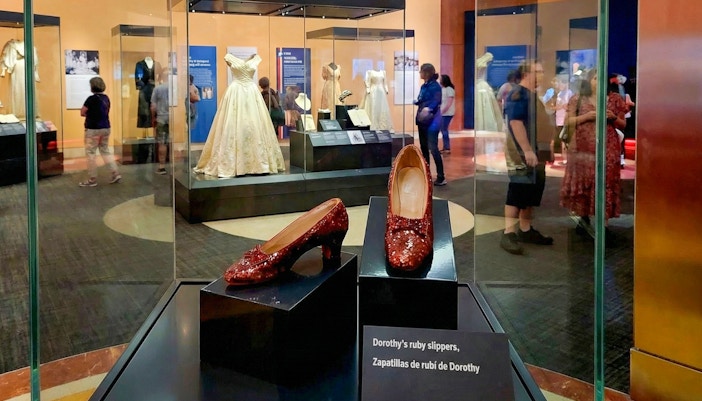
A visitor guide to Museum of the Bible
The Museum of the Bible is a large, tech-forward museum in Washington, D.C., best known for turning biblical history into an immersive, multi-floor experience. It’s easier to navigate than its size suggests, but the visit gets fragmented fast if you don’t plan around timed add-ons like Washington Revelations or All Creation Sings. Most people need more time than they expect once they start lingering in the artifact galleries. This guide helps you time your visit, choose the right ticket, and move through the museum without rushing.
Quick overview
If you want the short version before you book, start here.
- When to visit: Daily timed entry means you should check the live calendar for that day’s opening hours. Earlier weekday slots outside spring break and summer are noticeably calmer than late-morning weekends, when National Mall sightseeing traffic and family groups build quickly.
- Getting in: From $34.99 for standard entry. Advance booking matters most for spring, summer, and holiday weekends, while off-peak weekday slots are usually easier to secure.
- How long to allow: 2–3 hours for most visitors. Add 30–60 minutes if you want Washington Revelations, All Creation Sings, lunch, or time in the kids’ interactive areas.
- What most people miss: The Grand Hall is worth slowing down for, and the basement-level All Creation Sings experience is easy to skip if you stay only in the main gallery flow.
- Is a guide worth it? A guide helps most if you want deeper artifact context or a faith-focused visit; for a standard first visit, the museum’s themed layout and multilingual audio guide usually do the job.
🎟️ Timed-entry slots for Museum of the Bible can sell out days in advance during spring break, summer, and holiday weekends. Lock in your visit before the time you want is gone.
Jump to what you need
🕒 Where and when to go
🗺️ Getting around
🖼️ Which exhibits to prioritize
♿ Facilities and accessibility
Where and when to go

How do you get to Museum of the Bible?
The museum sits in southwest Washington, D.C., about 2 blocks from the National Mall and within easy reach of major Smithsonian-area sights.
Address: 400 4th St SW, Washington, DC 20024, USA | Find on Maps
- Metro: L’Enfant Plaza Station → 8–10 min walk → the most straightforward option if you want the shortest walk from a major interchange.
- Metro: Smithsonian Station → 15–18 min walk → works well if you’re already sightseeing along the National Mall.
- Bus: Metrobus routes serving the Mall and southwest D.C. stop nearby → short walk → useful if you’re linking this with other central Washington stops.
- Taxi/rideshare: 4th St SW drop-off → 1–2 min walk → best if you’re arriving from Reagan National Airport or another museum with kids.
Parking: Little on-site parking is available, so Metro or rideshare usually makes the day easier.
Which entrance should you use?
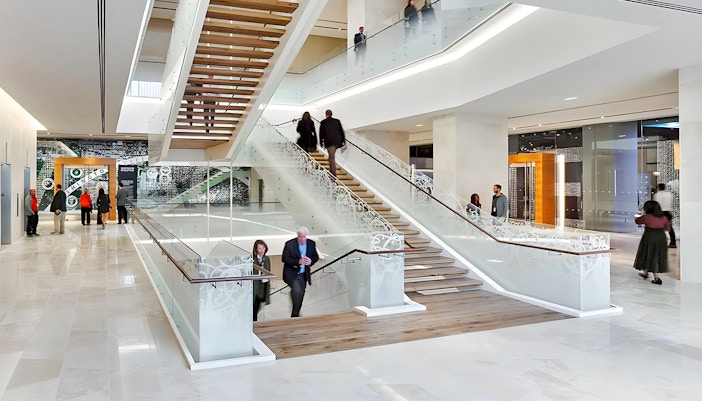
The museum uses one main public entrance, and the bigger mistake is arriving without enough buffer for security or a timed add-on rather than choosing the wrong door.
- Main entrance: Located on 4th St SW beneath the bronze Grand Hall gates. Best for all ticket holders. Expect the slowest arrival flow during late-morning weekends and school-holiday periods.
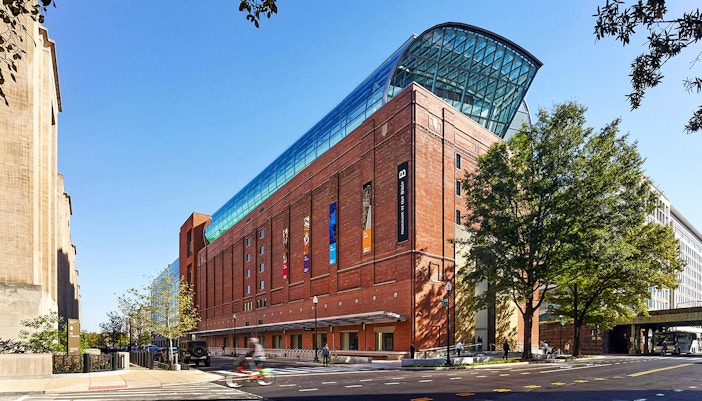
When is Museum of the Bible open?
- Daily schedule: Opening hours vary by date and programming, so check the live calendar before you lock in your timed entry.
- Special experiences: Washington Revelations and All Creation Sings run on separate schedules from general admission.
- Last entry: Use the daily ticket calendar rather than assuming a standard cutoff.
When is it busiest? Late-morning weekends in spring and summer are the busiest, when National Mall traffic, families, and tour groups overlap.
When should you actually go? Earlier weekday slots outside school vacations give you more breathing room in the artifact galleries and make it easier to fit in an add-on without rushing.
How do you get around Museum of the Bible?
Museum layout
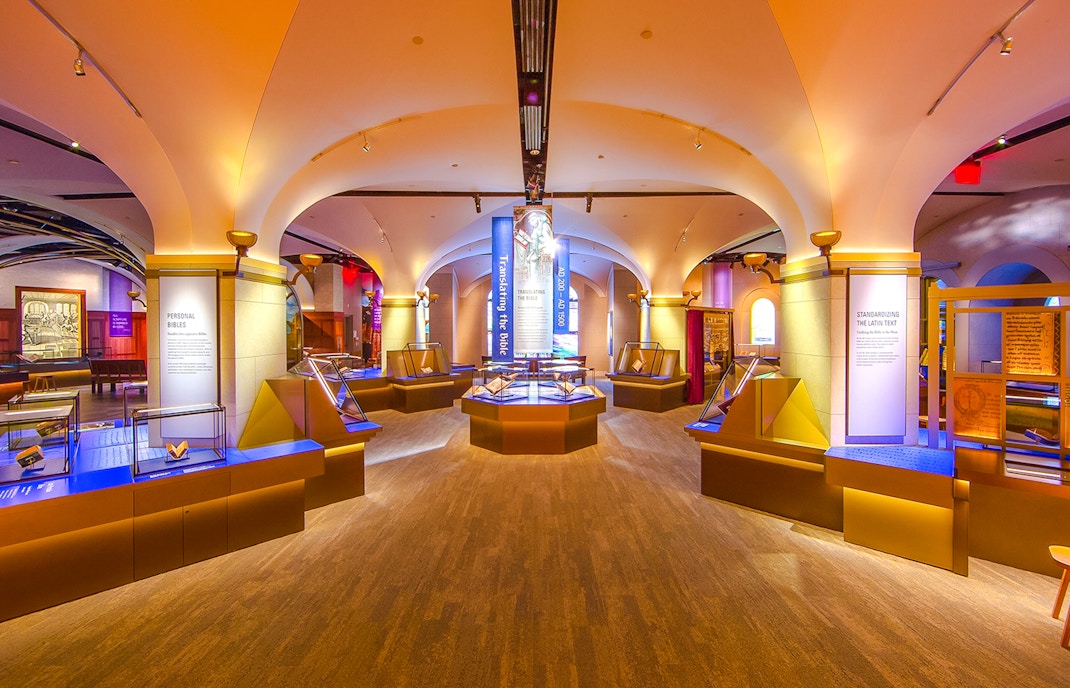
The museum is spread across vertically stacked floors rather than one long continuous route, so it feels organized, but it’s easy to break your momentum if you keep jumping between galleries and timed experiences. The themed layout makes it manageable to self-navigate, though the ride, show, and kids’ spaces are the easiest parts to miss.
- Grand Hall/lobby: Monumental entry space + rotating highlights + orientation stop → budget 10–15 min.
- Floor 2: Impact of the Bible galleries + Washington Revelations → budget 30–45 min, plus extra if you’ve booked the ride.
- Upper permanent gallery levels: History and Narrative galleries + rare manuscripts and printed Bibles → budget 60–90 min.
- Basement / family-focused spaces: All Creation Sings + interactive family content → budget 20–45 min depending on your add-ons.
Suggested route: Start with the main permanent galleries while your energy is highest, then slot Washington Revelations or All Creation Sings around their separate timings. Most visitors leave the basement-level experience too late and end up skipping it.

Maps and navigation tools
- Map: Use the museum floor plan and level directories at the start to line up the Grand Hall, galleries, and add-ons before you head upstairs.
- Signage: Wayfinding is generally clear by floor and theme, but special experiences sit slightly outside the straight gallery flow.
- Audio guide/app: Audioguides are available in English, Spanish, and French, and they add the most value in the artifact-heavy sections.
💡 Pro tip: Decide early whether Washington Revelations or All Creation Sings is a priority, because both can pull you out of your natural gallery route and create avoidable backtracking.
Where are the masterpieces inside Museum of the Bible?
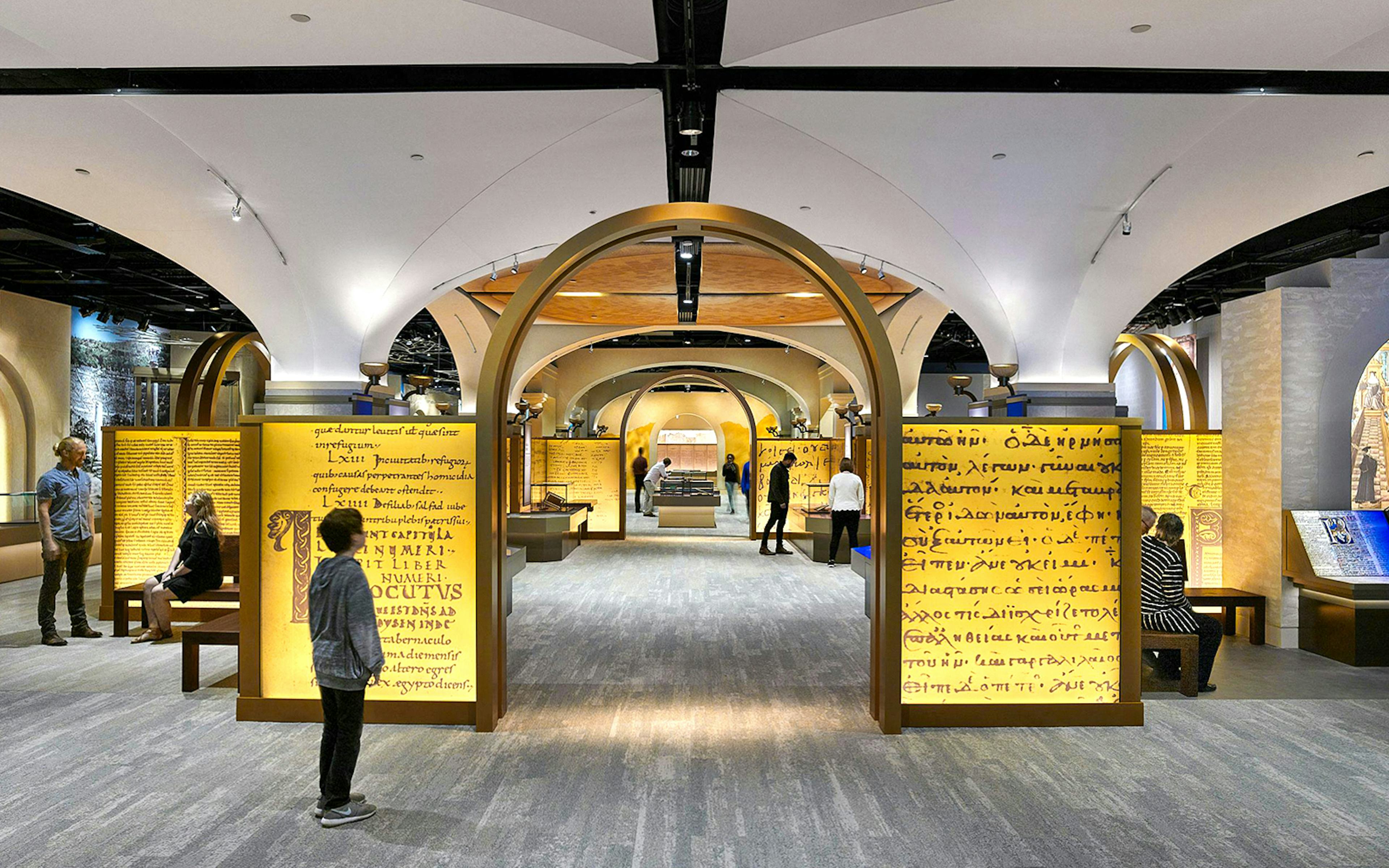
Grand Hall
Attribute — Type: Architecture and orientation space
The Grand Hall is the museum’s real first exhibit, not just the place you walk through to get upstairs. The 40-foot bronze gates and 140-foot illuminated ceiling set the scale and tone before you see a single artifact. Most visitors photograph it quickly and move on, but the hall often includes rotating displays worth slowing down for.
Where to find it: Immediately beyond the main entrance on 4th St SW.
Rare biblical artifacts
Attribute — Type: Manuscripts, scrolls, and early printed Bibles
The artifact galleries are where the museum feels least like a multimedia attraction and most like a serious collection. You’ll see ancient scroll fragments, handwritten Torah scrolls, and early printed Bibles that anchor the museum’s 4,000-year timeline. Many visitors skim the labels too quickly; the printing-history material is where the collection feels most connected.
Where to find it: In the History of the Bible galleries on the permanent exhibition floors.
Impact of the Bible galleries
Attribute — Theme: Culture, politics, music, and literature
These galleries are among the museum’s most distinctive because they widen the visit beyond scripture and archaeology. You’ll see how biblical language and imagery shaped music, art, law, politics, and everyday culture in ways that are easier to recognize once they’re pointed out. What many visitors miss is that this section works best when read slowly rather than rushed.
Where to find it: Floor 2.
Washington Revelations
Attribute — Type: Motion-simulator ride
Washington Revelations is the museum’s most entertainment-driven experience, and it’s an easy win if you’re visiting with kids or anyone who needs a break from reading-heavy galleries. The six-minute simulated flight links Washington landmarks to biblical references with motion seating and surround effects. People remember the ride, but they often forget it runs on its own timing.
Where to find it: Floor 2, in the special-experience area.
All Creation Sings
Attribute — Type: Immersive multimedia show
All Creation Sings is a separate, multi-sensory experience built around worship through history, using music, visuals, and theatrical staging rather than artifact cases. It feels more like a self-contained show than a museum gallery, which is exactly why it stands out. It’s also one of the easiest things to miss because visitors who stay only on the main floors never naturally drift down to it.
Where to find it: Floor B1.
Courageous Pages and HISTORIES
Attribute — Type: Family-focused interactive zones
These are the museum’s most useful stops for families because they let younger visitors engage through play rather than endurance. Courageous Pages and HISTORIES turn biblical stories into hands-on, game-like experiences that reset attention spans mid-visit. Adults often treat them as children-only spaces and walk past, but they also work as a smart pacing break.
Where to find it: In the lobby and mezzanine-level family areas.
Facilities and accessibility
- 🎧 Audioguide: Multilingual audioguides are available in English, Spanish, and French if you want more context without joining a guided tour.
- 🍽️ Cafe/restaurant: Shop/merchandise: Milk + Honey and other on-site dining options make lunch easy, but reviews regularly describe the food as more of a convenience stop than a value pick.
- 🛍️ Gift shop/merchandise: The museum shop is the easiest place to browse books, themed gifts, and Bible-related souvenirs at the end of your visit.
- 🪑 Seating/rest areas: Seating is built into the galleries, which helps if you’re visiting with older adults or anyone pacing a 2–3 hour museum day.
- 🅿️ Parking: Little on-site parking is available, so driving only makes sense if you already know your parking plan before arrival.
- 🛗 Elevators: Elevators connect all floors, which matters more here than at smaller museums because the experience is spread vertically.
- ♿ Mobility: The museum is wheelchair accessible, and elevators connect all floors, so the main route works well for visitors avoiding stairs.
- 👁️ Visual impairments: Audioguides add useful spoken context, but if you need tactile tools or dedicated visual-support services, it’s smart to confirm those directly before your visit.
- 🧠 Cognitive and sensory needs: Earlier weekday slots are the best low-stimulation option, because late-morning weekends and school-break periods feel noticeably louder and busier.
- 👨👩👧 Families and strollers: Elevator access and kid-focused spaces make stroller visits manageable, though it helps to plan timed add-ons before arrival instead of improvising on-site.
Museum of the Bible works well for school-age kids and curious tweens because the visit mixes objects, games, big visuals, and shorter immersive experiences instead of relying only on wall text.
- 🕐 Time: 1.5–2 hours is realistic with younger children, and it’s better to prioritize the Grand Hall, one major gallery level, and the interactive family spaces than try to cover every floor.
- 🏠 Facilities: The most useful family features are the dedicated children’s areas, elevators, and the option to break up gallery time with a ride or show.
- 💡 Engagement: Save Courageous Pages or HISTORIES for the midpoint of the visit, when attention usually drops and a play-based reset helps most.
- 🎒 Logistics: Kids under 5 enter free, and the day runs more smoothly if you pre-book any timed add-on instead of deciding once you’re already inside.
- 📍 After your visit: The National Mall is close enough for an easy post-museum walk if your group still has energy to burn.
Rules and restrictions
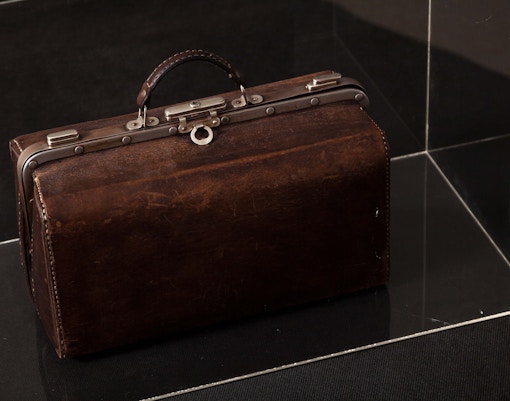
What you need to know before you go
- Entry requirement: All admissions are timed entry, with adult tickets from $34.99 and children ages 4 and under entering free.
- Booking method: Book ahead if you want a specific slot, especially on spring, summer, and holiday weekends when the most convenient times go first.
- Discounts: Military members and first responders can get $5 off at the ticket counter with a valid ID.
- Bag policy: Travel light for this visit, because a small day bag is easier across multiple floors and timed experiences than carrying large items all afternoon.
- Re-entry policy: Confirm re-entry before you leave if you’re planning lunch elsewhere, because timed-entry museums don’t always make stepping out convenient.

Not allowed
- 🚫 Food and drink: Plan to eat outside the main visit flow rather than inside the galleries, especially if you’re trying to protect time for the permanent exhibitions.
- 🚬 Smoking and vaping: Follow the museum’s on-site rules and any posted outdoor-area guidance rather than assuming smoking is permitted near the entrance.
- 🐾 Pets: Service-animal rules matter more than standard pet access at a museum like this, so check ahead if you’re traveling with an animal.
- 🖐️ Touching exhibits: Treat artifact displays and cases as look-only unless a space is clearly marked as interactive.

Photography
Photography is best treated as permitted in the general museum flow unless a gallery, temporary exhibition, or special experience says otherwise. Pay closest attention in immersive spaces and around rare artifacts, where the rules can tighten quickly. If photos matter to your visit, check the posted guidance for flash, tripods, and selfie sticks before you start shooting.
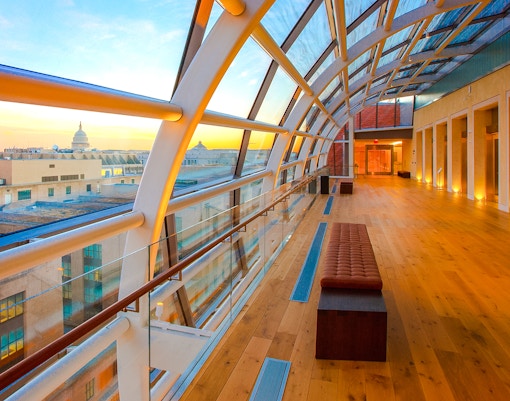
Good to know
- Timed add-ons: Washington Revelations and All Creation Sings run on separate schedules, so admission alone does not automatically solve your route planning.
- Grand Hall: The Grand Hall is free to the public, but the museum galleries beyond it are part of the ticketed visit.
Practical tips
- Book for the slot you actually want, not the day you want: Spring, summer, and holiday weekends are when the best timed entries disappear first, so lock in your preferred hour as soon as your wider D.C. plans are set.
- Don’t split the visit in half with add-ons: Washington Revelations and All Creation Sings work best when you build them into your route before you arrive; otherwise, they create backtracking across multiple floors.
- Start with the core galleries while your focus is fresh: The artifact-heavy History and Narrative sections reward attention more than the later, more theatrical experiences do.
- Weekday mornings are the cleanest visit window: This museum sits close enough to the National Mall that once the broader sightseeing crowd is moving, late-morning entries feel fuller than people expect.
- Treat the on-site café as convenience, not value: Reviews regularly flag food costs, so eat before your entry or plan a later meal if budget matters.
- Families should use the interactive zones strategically: Courageous Pages and HISTORIES are better as a mid-visit reset than as the first thing you do.
- Give the Grand Hall real time: Most people photograph the bronze gates and ceiling in 2 minutes and move on, but it’s one of the museum’s strongest spaces and often includes displays worth pausing for.
- Keep your bag light: Even without a long walking route, the museum’s vertical layout means a heavy bag gets annoying faster than at a single-floor gallery.
What else is worth visiting nearby?

National Air and Space Museum
Distance: About 700 m (0.4 mi), around a 10-minute walk
Why people combine them: Both work well as high-interest indoor museums near the Mall, and together they make a strong half-day for families who want one history-driven stop and one crowd-pleasing Smithsonian classic.
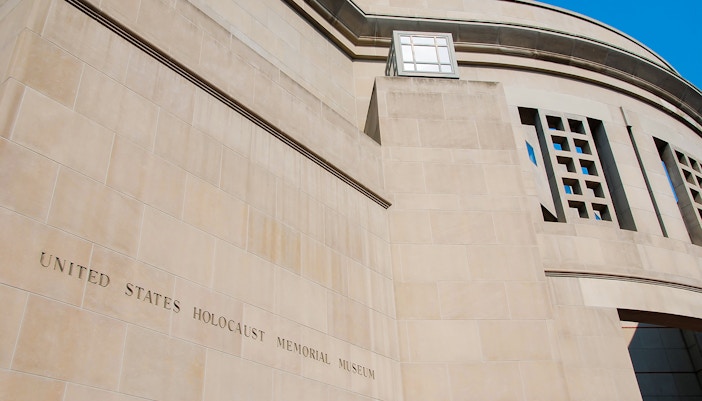
Commonly paired: United States Holocaust Memorial Museum
Distance: About 1.1 km (0.7 mi), around a 15-minute walk
Why people combine them: Both are museum visits that reward slower pacing and context, so they suit travelers building a more reflective day rather than trying to race through as many monuments as possible.
Also nearby
National Mall
Distance: 2 blocks, around a 5-minute walk
Worth knowing: It’s the easiest open-air reset after several floors indoors and fits naturally before or after your timed museum slot.
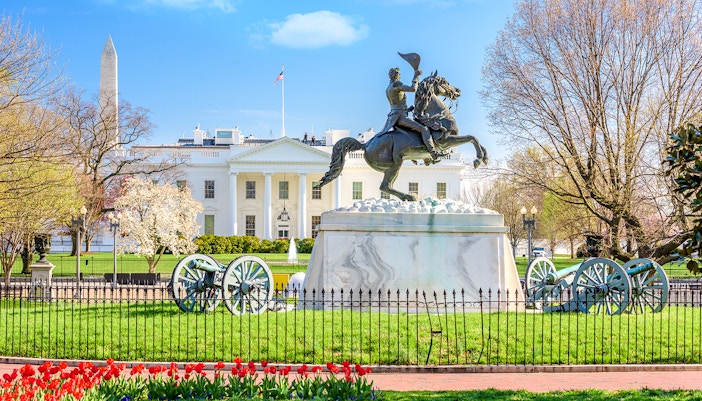
White House
Distance: 1.6 km (1 mi), around a 20-minute walk or 5-minute taxi ride
Worth knowing: It’s better as a later stop than an immediate add-on if you’ve already spent a full 2–3 hours inside the museum.
Eat, shop and stay near Museum of the Bible
- On-site: Milk + Honey and the museum’s other dining options cover a convenient lunch break, but reviews regularly treat them as a fallback rather than a meal worth building the day around.
- Pro tip: If food value matters more than convenience, eat before your timed entry or after the visit instead of breaking up the museum day for the café.
- Museum shop: Bible-related books, themed gifts, and souvenirs inside the museum; it’s easiest to visit on the way out so you’re not carrying purchases through the galleries.
Staying near the National Mall works well if your trip is museum-heavy and you want easy access to Washington’s headline sights. It suits short stays built around early starts and monument-hopping more than longer trips focused on neighborhood atmosphere or nightlife. If your priority is a smoother sightseeing itinerary, it’s a practical base.
- Price point: Hotels in this part of Washington usually skew mid-range to upscale, with better value often found a little farther out on Metro lines.
- Best for: Visitors on a short trip who want a quick ride or manageable walk to multiple museums and major landmarks.
- Consider instead: Penn Quarter or Dupont Circle if you want stronger restaurant options and more evening energy, or Capitol Hill if you want a calmer base with easy museum access.
Frequently asked questions about visiting Museum of the Bible
Most visits take 2–3 hours. That’s enough time for the Grand Hall, the main permanent galleries, and a short stop in the family-friendly interactive areas. If you add Washington Revelations, All Creation Sings, or lunch, you should budget closer to 3–4 hours.
Yes, booking in advance is the safer move if you want a specific timed slot. The museum uses timed entry, and the most convenient times can disappear first during spring break, summer, and holiday weekends. Weekday off-peak visits are usually easier to book on shorter notice.
Arriving about 15 minutes early is a smart buffer for this museum. That gives you enough time for security, orientation in the Grand Hall, and any last-minute ticket or add-on questions. It also makes it easier to start on time if you’re trying to fit the museum into a wider National Mall day.
Yes, a small day bag is the safest option for this visit. The museum spans multiple floors, and carrying less makes the day easier if you’re moving between galleries and timed experiences. If you’re planning to bring anything bulky, check the current policy before arrival instead of assuming it will be fine.
Usually, yes, but individual galleries and special experiences can set their own rules. Pay attention in temporary exhibitions and immersive spaces, where restrictions are more likely to appear. If photography matters to you, check posted guidance for flash, tripods, and selfie sticks as you move through the museum.
Yes, the museum works well for groups, especially church groups, school groups, and multi-generation families. The themed layout, timed entry system, and optional guided experiences make it easier to structure a visit than at some free-flow museums. If your group wants the same add-on experience, book it early.
Yes, it’s one of the more family-friendly specialty museums in Washington. Kids under the age of 5 enter free, and interactive spaces like Courageous Pages and HISTORIES help break up the visit. Families usually get the best results by prioritizing a few strong sections instead of trying to cover every floor.
Yes, the museum is wheelchair accessible. Elevators connect all floors, which matters because the visit is spread vertically rather than across one simple gallery level. That makes it a more manageable experience for visitors who want to avoid stairs or are visiting with a stroller.
Yes, food is available on-site. Milk + Honey and other museum dining options make lunch convenient, though reviews often describe them as more practical than budget-friendly. Because the museum sits close to the National Mall, many visitors also choose to eat before or after their timed entry.
No, Washington Revelations is an add-on rather than a standard inclusion. The ride costs $9.99 on top of general admission, so you should factor that into both your budget and your schedule. It’s one of the museum’s most popular high-tech experiences, especially with families.
Yes, children ages 4 and under enter free. That makes the museum easier to justify for families with younger kids, especially because the visit includes child-focused interactive areas instead of only artifact displays. Older children and seniors have reduced-price admission compared with adults.